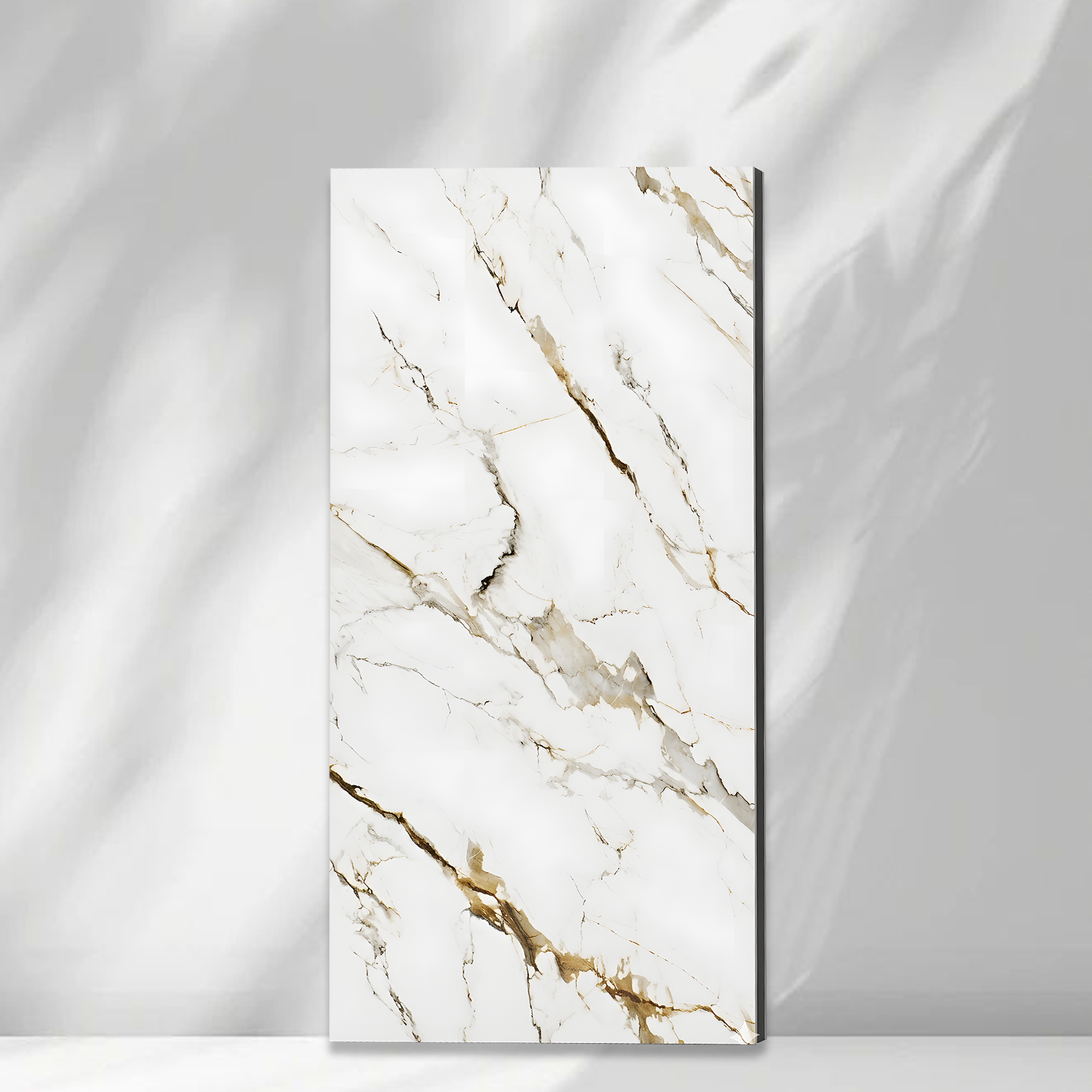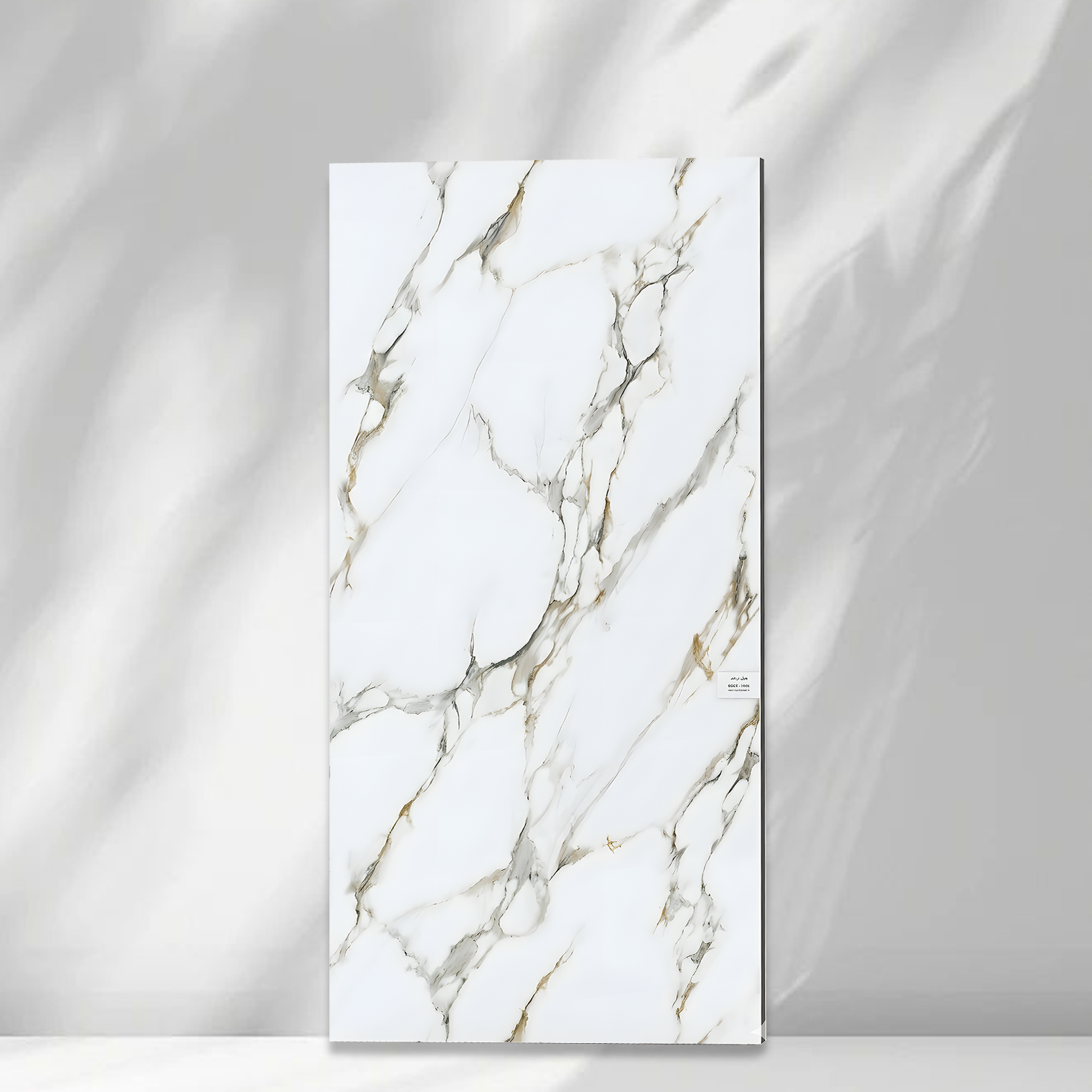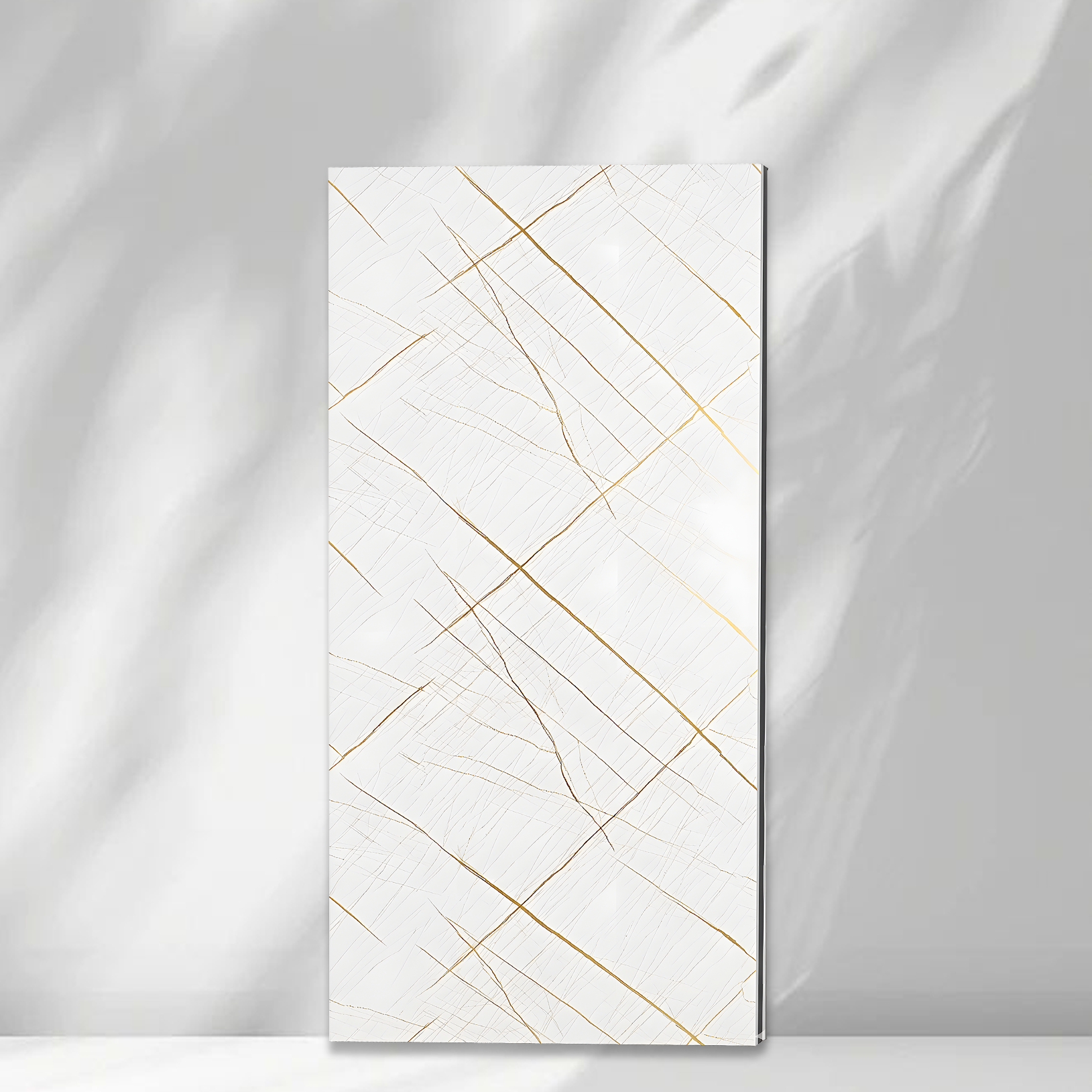
Achieve the luxury marble look at a fraction of the cost and maintenance — a comprehensive guide for contractors and designers.
Natural marble has symbolized luxury and elegance for thousands of years, but it comes at a steep price — not just financially, but in terms of weight, maintenance demands, and vulnerability to stains and acids. In recent years, a new generation of alternative materials has emerged that delivers the same premium aesthetic with practical advantages that often surpass natural marble in real-world applications.
What Are Marble Alternatives?
A marble alternative is any manufactured cladding material that mimics the appearance of natural marble — its texture, colors, and veining — without being quarried stone. These materials vary significantly in composition and performance characteristics, making it worth studying the options before committing to a specification.
Common Types of Marble Alternatives
High-Definition Porcelain and Ceramic
Porcelain tiles produced using digital printing technology can replicate marble patterns with remarkable precision, sometimes achieving surface hardness that exceeds natural marble. They are widely specified for both floors and walls due to their scratch resistance and moisture impermeability.
Stone-Look SPC Planks and Tiles
SPC (Stone Plastic Composite) panels printed with marble patterns combine a rigid stone-plastic core with click-lock installation convenience. They are 100% waterproof, making them ideal for bathrooms and kitchens in both commercial and residential projects.
PVC Stone Panels
Lightweight PVC wall panels printed with marble and stone designs are installed with adhesive or double-sided tape. They are particularly well-suited for commercial renovation projects where installation speed and low disruption are priorities.
High-Pressure Compact Panels
High-density compressed panels with a marble-effect surface offer exceptional resistance to mechanical impact and scratching. They are the material of choice for heavy-use interiors such as restaurants, hotels, and healthcare facilities.
Marble Alternatives vs. Natural Marble: Key Advantages
- Cost: Marble alternatives can reduce material costs by 60–70% compared to imported natural marble
- Weight: Significantly lighter, reducing structural loads and lowering shipping and installation costs
- Maintenance: No periodic polishing or sealing treatments required
- Stain resistance: Non-porous surface that does not absorb liquids, oils, or acids
- Consistency: Uniform appearance across an entire project with no natural color variation
- Availability: Not constrained by quarry production limits or seasonal supply issues
The smart contractor does not look for the cheapest option — they look for the best value for money. High-quality marble alternatives deliver that balance consistently.
Applications for Marble Alternatives
Flooring
Marble-alternative flooring is well-suited to high-traffic areas such as lobbies, corridors, and commercial entrances. Unlike polished natural marble, it does not show wear patterns over time and does not become hazardously slippery when wet if an appropriate slip-resistance rating is selected.
Wall Cladding and Feature Walls
Marble-effect wall cladding brings a premium aesthetic to reception areas, living rooms, and hotel guest rooms. The ease of installation on vertical surfaces makes it particularly practical for renovation projects where removing existing finishes is not desirable.
Bathrooms and Kitchens
In wet areas, waterproof marble alternatives outperform natural stone, which requires special cleaning protocols and may crack under prolonged moisture exposure. Seamless surface options also eliminate the grout lines that accumulate mold and discoloration over time.
Commercial Projects
Hotels, offices, restaurants, and retail centers use marble alternatives to execute luxury design concepts within realistic budgets. The ability to replace damaged sections individually — rather than sourcing matching slabs from a quarry — is a significant operational advantage.
How to Choose the Right Marble Alternative
- Define the application: floor or wall? Wet or dry area? Indoor or outdoor?
- Assess traffic and usage intensity: commercial spaces require higher abrasion resistance ratings
- Check the wear layer thickness on SPC products: a minimum of 0.5 mm for commercial use
- Verify quality certifications: ISO, CE, and certificates confirming freedom from harmful substances
- Request samples and evaluate color and texture under both natural and artificial lighting
- Compare warranty terms: reputable suppliers offer 10–15-year product warranties
Installation Tips
The success of any cladding project depends significantly on installation quality. Regardless of which marble alternative is selected, several fundamental rules apply.
- Ensure the substrate is flat, clean, and completely dry before installation begins
- Leave appropriate thermal expansion gaps at edges and corners
- Use adhesives and grouts that are compatible with the specific material type and use environment
- Lay out the full area dry before fixing to ensure a balanced distribution of veining and color variation
- For wall panels: start from the center of the wall and work outward to ensure visual symmetry
Conclusion
Marble alternatives are not merely a budget compromise — they are a strategic choice that balances aesthetics, functionality, and financial sustainability. With continuous advances in printing and manufacturing technology, the visual difference between natural marble and the best available alternatives has become negligible in most applications.
At Deal Decor, we import directly from leading manufacturers to provide our contractor and trade partners with the best marble alternatives at competitive prices, backed by internationally recognized quality certifications.
Specialists in importing and distributing interior finishing materials wholesale — marble alternatives, wood alternatives, premium flooring, and modern cladding solutions for the Syrian construction market.